
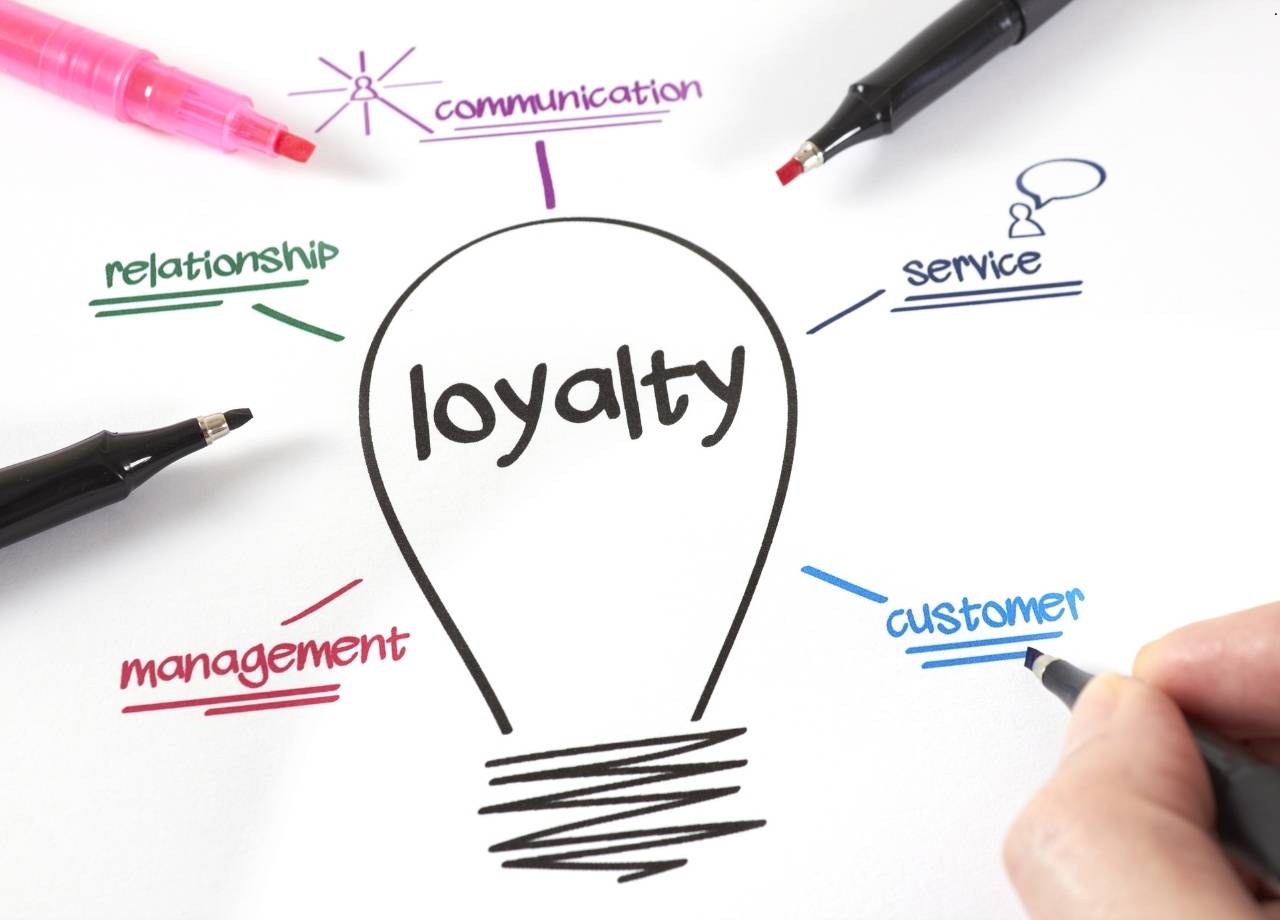
A loyalty point store is a powerful tool for enhancing customer engagement and retention. When done right, it transforms casual buyers into loyal brand advocates. But creating a store that truly keeps customers coming back requires more than just offering discounts or random rewards. It needs a well-thought-out strategy, seamless technology, and a rewards system that aligns with customer expectations.
In this guide, we’ll explore how to build a loyalty point store that not only encourages repeat purchases but also strengthens your brand’s relationship with its customers.
Understanding the Purpose of a Loyalty Point Store
A loyalty point store allows customers to redeem their earned points for products, services, or exclusive experiences. The best loyalty stores go beyond simple transactions—they create a sense of excitement and exclusivity.
For a store to be successful, it should:
- Offer meaningful rewards that align with customer desires
- Have an intuitive and seamless redemption process
- Provide personalized experiences that make customers feel valued
- Integrate easily with existing customer accounts and loyalty programs
Instead of just being a place to redeem points, your loyalty store should enhance the overall shopping experience and create emotional connections with customers.
Designing a Seamless Customer Experience
A great loyalty store should be easy to navigate and make customers excited to return. The user experience (UX) should be as smooth as any top-tier eCommerce store.
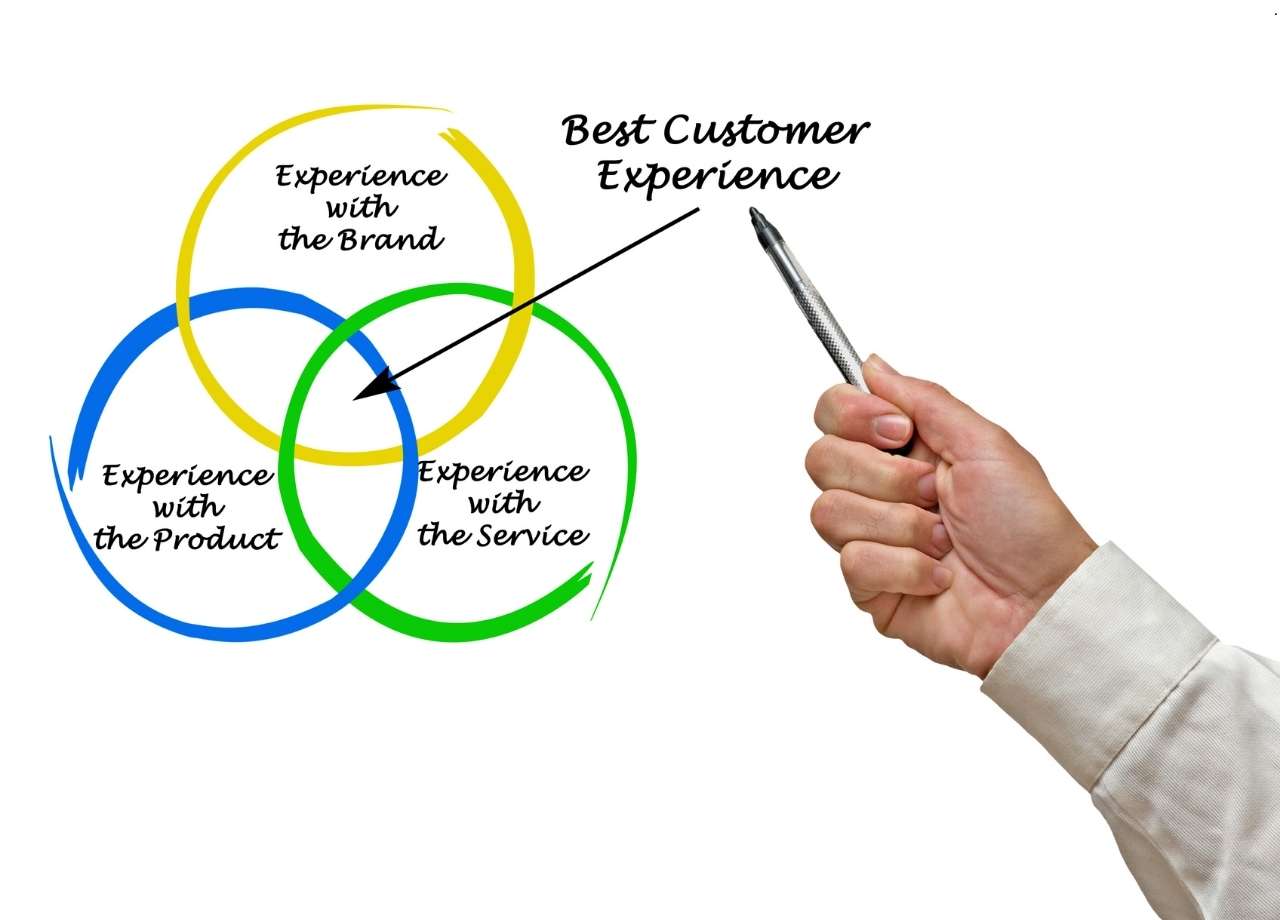
Key elements of a well-designed loyalty store:
- A fully branded interface: The store should reflect your brand’s identity, from colors to fonts to overall layout.
- Clear reward categories: Make it simple for customers to browse and find relevant rewards, whether it’s electronics, apparel, travel perks, or charitable donations.
- Mobile-friendly design: Since many users redeem rewards on mobile devices, ensure the store is optimized for smaller screens.
- Personalized recommendations: Use customer data to highlight rewards that match their interests and past behaviors.
- Real-time point balance display: Customers should always know how many points they have and what they can redeem them for.
The smoother and more engaging the experience, the more likely customers are to keep returning.
Choosing the Right Rewards
The success of a loyalty point store depends on its rewards. If customers don’t find the options valuable, they won’t engage with the program.
Types of Rewards That Drive Engagement:
- Exclusive Products: Offer limited-edition or brand-exclusive merchandise that customers can’t buy elsewhere.
- Experiences: VIP events, early access to sales, and behind-the-scenes brand experiences create emotional connections.
- Charitable Donations: Allow customers to donate their points to causes they care about, enhancing brand goodwill.
- Personalized Offers: Discounts on products they frequently purchase or custom bundles based on shopping behavior.
- Subscription Perks: Free shipping, extended warranties, or VIP customer service access.
The key is to provide rewards that are aspirational yet attainable. If it takes too long to earn enough points for a meaningful reward, customers may lose interest.
Setting Up the Right Point System
A confusing or unbalanced point system can turn customers away. The system should be simple and rewarding, with clear guidelines on how to earn and redeem points.
Best Practices for Structuring Your Point System:
- Make earning points effortless: Give customers points not just for purchases but also for actions like writing reviews, referring friends, and engaging on social media.
- Offer bonus point opportunities: Limited-time multipliers (e.g., double points weekends) encourage higher engagement.
- Keep redemption easy: Avoid complicated tiers that make it difficult for customers to understand how they can use their points.
- Allow partial redemptions: Let customers use points for discounts rather than requiring full-point purchases.
Striking the right balance between earning and spending ensures customers stay motivated to participate.
Integrating with Existing Customer Accounts
For a loyalty store to be truly effective, it must integrate seamlessly with existing customer accounts and purchasing data. Customers should be able to log in effortlessly and access their point balance without needing to re-enter information.
Essential Integrations:
- eCommerce platforms (Shopify, Magento, WooCommerce) for real-time order tracking and point calculation.
- CRM systems to personalize reward recommendations.
- POS systems for in-store purchases to sync with online rewards.
- Social media platforms to reward customers for brand engagement.
The more frictionless the experience, the more likely customers will stay engaged.
Automating Reward Fulfillment
Manually managing reward redemptions can be time-consuming. Automating the fulfillment process ensures customers receive their rewards quickly and efficiently.
Ways to Automate Reward Fulfillment:
API integrations with third-party vendors (like Amazon Business) to deliver rewards directly.
Real-time inventory syncing to prevent out-of-stock issues.
Automatic order confirmation emails so customers know when their reward is on the way.
By making fulfillment seamless, customers are more likely to see the value of the loyalty store and return for future redemptions.
Tracking Performance and Optimizing Over Time
To keep customers coming back, continuously track and optimize the performance of your loyalty point store.

Key Metrics to Monitor:
- Redemption Rate: The percentage of points earned that are actually redeemed—low rates may indicate unappealing rewards.
- Repeat Engagement: How often customers return to the loyalty store.
- Top-Performing Rewards: Which items are most frequently redeemed.
- Customer Feedback: Surveys and reviews to understand what customers like and what could be improved.
Use this data to tweak the reward offerings, improve UX, and introduce new incentives to keep customers engaged.
Promoting Your Loyalty Point Store
Even the best loyalty store won’t succeed if customers don’t know about it. Marketing your loyalty program effectively ensures higher participation.
Effective Promotion Strategies:
- Email Campaigns: Send personalized reward recommendations and point balance updates.
- In-App & Website Banners: Highlight new rewards and limited-time point multipliers.
- Social Media Engagement: Encourage customers to share their redemptions and experiences.
- Referral Incentives: Give extra points for referring friends to the loyalty program.
By keeping the program top-of-mind, customers are more likely to engage with the loyalty store consistently.
A well-designed loyalty point store is more than just a place to redeem rewards—it’s an extension of your brand’s relationship with its customers. By offering valuable rewards, ensuring a seamless experience, and continuously optimizing based on customer behavior, you can create a loyalty store that keeps customers engaged for the long term.
Investing in a well-thought-out loyalty store not only enhances retention but also turns customers into vocal advocates for your brand, driving sustained business growth.
Are you ready to build a loyalty point store that customers will love? Start by focusing on what truly matters—delivering a rewarding and seamless experience.