

Valentine’s Day is not just a date on the calendar. It is a moment when consumer behavior intensifies, emotions dictate purchases, and brands have a rare chance to convert seasonal interest into lasting loyalty. Many companies approach this holiday with generic discounts and predictable promotions, missing the subtle signals that reveal what drives buyers. The brands that succeed are those that understand the psychology of gifting, anticipate trends, and craft offers that feel personally relevant rather than transactional. This guide is designed to go beyond surface-level tactics. It shows how to leverage Valentine’s Day to not only boost immediate sales but also deepen customer engagement and lay the foundation for long-term revenue growth.
By framing Valentine’s Day as both a revenue opportunity and a loyalty-building moment, your campaigns can tap into multiple layers of consumer motivation. Some shoppers are buying for partners, others for friends, family, or even themselves, and each segment responds to different messaging, timing, and value propositions. Success requires precision, not guesswork. Understanding the intricacies of your audience, their spending patterns, and their emotional drivers will allow you to design campaigns that resonate, converting seasonal curiosity into meaningful transactions.
What Makes Valentine’s Day a Big Opportunity
Valentine’s Day represents a peak moment in consumer spending that far exceeds typical retail activity. In 2025, projections estimate that Americans will spend a record $27.5 billion, up from $25.8 billion in 2024, with the average person spending nearly $189. These numbers reflect not only the size of the market but also the intensity of seasonal purchasing behavior. Unlike other retail spikes that rely primarily on volume, Valentine’s Day depends on emotional engagement. Shoppers are willing to spend more when the product, offer, or messaging aligns with the sentiment they wish to express. Understanding these drivers is essential for brands aiming to maximize both conversion and brand affinity.
What makes this opportunity particularly compelling is the diversity of gifting. Traditional perceptions of Valentine’s Day focus on romantic gestures, yet spending increasingly extends to friends, family, and self-care. Younger generations are more likely to invest in experiences and personalized items that signal thoughtfulness rather than extravagance. Loyalty-minded brands can capture this spectrum of behavior by tailoring offers to specific segments, reinforcing a sense of attentiveness and relevance. Recognizing that not all purchases are romantic allows marketers to expand the addressable market while building trust among customers who might otherwise feel excluded.
Seasonality also creates urgency. Unlike evergreen products, Valentine’s Day has a strict temporal boundary that influences both shopping behavior and decision-making speed. Shoppers are acutely aware of deadlines, which makes timing, messaging, and accessibility of offers critical. Brands that plan well in advance and optimize for a range of purchase behaviors—from early planners to last-minute buyers—can maximize engagement and revenue. Missing these windows risks leaving conversions on the table, particularly among audiences who are price-sensitive or prone to digital comparison shopping.
Understanding Your Audience & Data
At the heart of any effective Valentine’s Day strategy lies a nuanced understanding of the audience. Around 40 percent of shoppers in 2025 purchased gifts online, while nearly half of consumers cited cost as a primary factor in their decisions. These figures illustrate the dual importance of digital accessibility and perceived value. Brands that rely solely on intuition or past seasonal campaigns without analyzing their own customer data risk misaligning offers, misjudging timing, or overlooking high-potential segments. Data-driven strategies allow marketers to anticipate needs, personalize communication, and optimize promotional efficiency.
Segmentation is a cornerstone of this approach. Grouping customers by past purchase behavior, demographic characteristics, or expressed interests provides clarity on who is most likely to engage and what messages will resonate. For instance, someone who previously purchased a luxury item for a partner may respond differently than a customer who buys lower-priced tokens for friends. Understanding these distinctions enables targeted offers that feel deliberate rather than generic, increasing both conversion and satisfaction. Historical data can also reveal behavioral trends, such as peak browsing times, preferred channels, or response to discounts versus experiential perks, allowing for a multi-layered, predictive strategy.
Predictive insights are becoming increasingly vital. Self-care products, experiential gifts, and group-oriented celebrations like Galentine’s Day are all gaining traction, particularly among younger demographics. These trends suggest that traditional gift categories alone will not suffice. Brands that identify emerging behaviors, adjust messaging, and diversify product offerings can capture incremental sales while establishing relevance with audiences whose preferences may not align with conventional romantic norms. A predictive mindset enables proactive engagement, allowing brands to create campaigns that feel ahead of the curve rather than reactive.
Data also informs personalization. Studies show that 37 percent of shoppers are more likely to buy frequently when presented with personalized product recommendations. By leveraging purchase history, browsing behavior, and demographic data, brands can create campaigns that speak directly to individual preferences. Personalization is not limited to product suggestions; it extends to messaging, timing, and promotion type. In essence, data transforms a seasonal campaign from a broad appeal tactic into a precise, revenue-driving engine that deepens customer relationships.
Timing Your Valentine’s Day Strategy
Timing is often the deciding factor between a campaign that captures attention and one that falls flat. Effective Valentine’s Day strategies start well before February arrives. Planning should consider multiple waves of engagement, including early-bird campaigns that target planners and last-minute efforts for those prone to procrastination. Each wave requires tailored messaging, distinct offers, and optimized channels to maximize response rates. Early planning also allows time for creative testing, logistical preparation, and cross-functional alignment, reducing operational friction during peak season.
Understanding the psychology of purchase timing is essential. Shoppers who buy early often value convenience and variety, responding well to curated collections, tiered pricing, and exclusive early access. Last-minute shoppers prioritize speed and reliability, responding to express delivery guarantees, simple navigation, and clear product recommendations. Brands that ignore these differences risk alienating segments or leaving revenue untapped. Optimal timing, therefore, is not merely a scheduling consideration but a strategic lever that shapes the entire customer experience.
Seasonal urgency also intersects with promotional design. Introducing time-sensitive offers or limited-quantity products can drive immediacy, but overusing scarcity tactics may erode trust. By combining precise timing, audience segmentation, and data-driven personalization, brands can orchestrate campaigns that feel intentional, create excitement, and ultimately convert interest into action. Success in this phase is less about pushing volume and more about shaping meaningful engagement that can persist beyond the holiday itself.
Create a Valentine’s Day Sales Hub or Landing Page
A dedicated sales hub or landing page serves as the central point for all Valentine’s Day activity, turning casual visitors into intentional shoppers. It is not enough to simply list products; the page must feel thoughtfully curated, guiding visitors through an experience that anticipates their needs and desires. A well-designed hub communicates a brand’s understanding of the occasion while subtly showcasing options for multiple gifting segments. When executed effectively, it becomes a place where browsing naturally evolves into discovery and discovery evolves into conversion.
Segmented Gift Categories
Segmenting gifts by recipient, occasion, and price tier allows customers to navigate options with ease and precision. Products should be organized for Him, Her, Friends, and Self, ensuring that no segment feels overlooked. Incorporating price tiers and occasion tags further guides decision-making, providing clarity for shoppers who are motivated by budget or intent.
Traditional favorites like flowers, chocolates, and jewelry continue to dominate, with flowers alone purchased by nearly four in ten celebrants in recent years. Younger generations, particularly Gen Z and Millennials, are significantly more active in these seasonal purchases compared to older age groups, highlighting the importance of catering to their preferences. By presenting classic and experiential options side by side, brands can engage a wider spectrum of buyers while subtly encouraging upsells and cross-category exploration.
Messaging that Connects with Emotional Drivers
The language, visuals, and tone used on the landing page should tap into the emotional motivations behind each purchase. Romance is only one driver; appreciation, friendship, self-care, and celebration are equally powerful. Messaging should balance inspiration and practicality, highlighting why a product matters rather than simply what it is. Thoughtful copy, paired with visuals that evoke anticipation and warmth, can transform a transactional interaction into an emotional experience, reinforcing brand affinity while driving sales.
Product & Promotion Strategy
Products and promotions form the backbone of a successful Valentine’s Day campaign. A strong strategy combines creativity, relevance, and clear value propositions. Shoppers respond to offers that feel purposeful, curated, and timely, whether through limited editions, personalized recommendations, or bundled packages. The goal is to make the buying experience feel effortless and deliberate, while subtly encouraging higher cart values and repeat engagement.
Bundles, Tiered Discounts & Flash Sales
Bundles create natural opportunities to increase average order value while presenting gifts as thoughtful combinations. Tiered discounts reward larger purchases and encourage exploration across multiple categories. Flash sales capitalize on urgency, prompting action among both early planners and last-minute shoppers. Each tactic should be employed strategically, ensuring that scarcity feels authentic rather than contrived, and that value is clear without diminishing brand prestige.
Limited-Edition & Themed Products
Exclusive or seasonal products communicate relevance and urgency. Limited-edition items, whether variations of existing products or entirely new creations, reinforce the uniqueness of the occasion. Themed merchandise can capture attention through visuals and storytelling, appealing to shoppers who prioritize distinction and novelty. These offerings are especially effective for brands seeking to align their identity with the holiday while driving incremental revenue.
Customizations & Personalization
Personalization transforms ordinary purchases into memorable gestures. Offering customization options, from monograms to curated gift suggestions based on browsing history, resonates strongly with Valentine’s shoppers. Data suggests that 37 percent of buyers are more likely to purchase frequently when recommendations feel personal, making this approach both an engagement and conversion strategy. Personalization also extends to marketing communications, where individualized emails, SMS messages, and product suggestions strengthen the connection between brand and customer.
Digital, Physical & Experience-Based Offers
Diverse product formats expand appeal beyond traditional gifts. Digital offerings, such as e-gift cards or downloadable experiences, complement physical items and provide flexible options for last-minute shoppers. Experience-based gifts, from workshops to virtual events, align with trends favoring meaningful engagement over material accumulation. By presenting a mix of tangible and experiential options, brands can cater to a wider audience and reinforce their understanding of evolving consumer expectations.
Pricing & Offers That Drive Conversion
Pricing strategies and promotional mechanics are critical levers for converting interest into action. Beyond offering compelling discounts, brands must consider how perceived value, urgency, and convenience influence purchasing decisions. Early-bird specials reward forward planners, free shipping reduces friction for hesitant buyers, and scarcity triggers create an impetus to act without eroding trust. Seasonal insights show that florists typically stock around 250 million roses, and traditional categories such as candy, flowers, and jewelry consistently dominate Valentine’s Day sales, offering a clear roadmap for ecommerce brands to align pricing and promotions. Each element should feel intentional, seamlessly integrated into a holistic strategy rather than applied in isolation.
Email Marketing Tactics
Email remains a highly effective channel for Valentine’s campaigns, particularly when leveraged with segmentation and personalization. Each message should feel curated for the recipient, highlighting products or experiences that reflect their past behavior or expressed preferences. Countdown campaigns build anticipation, creating a subtle sense of urgency without overwhelming the audience. Cart abandonment sequences capture intent at the moment it matters most, converting hesitation into action with timely reminders and relevant offers.
Segmentation & Personalized Recommendations
Segmenting email lists by purchase history, browsing behavior, and demographic attributes allows for precise targeting. Personalized recommendations, tailored to each customer’s preferences, increase relevance and the likelihood of conversion. For Valentine’s campaigns, this might mean suggesting products for a partner based on prior gift purchases, or highlighting self-care items for a shopper who frequently buys wellness products. Precision in targeting ensures that emails feel helpful rather than intrusive, strengthening the brand relationship.
Countdown Campaigns
Countdowns create a subtle psychological nudge, reminding customers of the finite window to act. They work best when paired with meaningful incentives or unique offerings, reinforcing both urgency and value. Effective countdown campaigns balance frequency with restraint, maintaining engagement without fatigue. They are particularly impactful for last-minute shoppers who may need both motivation and guidance to finalize purchases.
Cart Abandonment Sequences
Abandoned carts represent opportunity as much as oversight. Well-timed reminders, paired with personalized product recommendations or incentives, can recover a substantial portion of lost revenue. Messaging should emphasize convenience, urgency, and emotional relevance, transforming what might have been a passive decision into an actionable moment.
SMS & Messaging (WhatsApp, Push) Campaigns
Short-form messaging channels provide immediacy and high visibility, ideal for time-sensitive campaigns. Messages must be concise, clear, and actionable, focusing on one compelling idea per communication. Mobile-first consumers increasingly expect brands to meet them where they are, and effective SMS, WhatsApp, or push campaigns complement email by providing reminders, exclusive offers, and timely product suggestions.
Social Media & Influencer Strategies
Social platforms are vital for capturing attention, fostering engagement, and driving conversions. Shoppable posts allow immediate action from inspiration, while campaign-specific hashtags encourage community participation and user-generated content. Influencers can lend authenticity and scale, especially when they resonate with niche audiences aligned to gifting trends or lifestyle aspirations. Engagement campaigns, including polls, stories, and short-form video, keep the brand present in daily social routines, reinforcing relevance during a period of heightened competition.
Shoppable Posts & Hashtags
Enabling direct purchases through social posts reduces friction and capitalizes on impulse. Branded hashtags consolidate campaign activity, providing visibility for both organic and influencer-driven content. Together, they create an ecosystem where discovery and purchase happen in a single, seamless interaction.
UGC & Engagement Campaigns (polls, stories, reels)
User-generated content humanizes the campaign, encouraging participation while amplifying social proof. Polls, stories, and reels foster interaction, allowing brands to showcase products while capturing insights about audience preferences. This dual function strengthens loyalty and provides valuable data to refine ongoing campaigns.
Paid Ads & Retargeting
Paid advertising amplifies reach and drives precise audience targeting. Retargeting ensures that visitors who show interest but do not immediately convert are reminded of products, offers, and urgency. PPC campaigns focused on Valentine-specific keywords capture high-intent shoppers actively searching for gifts. A coordinated approach across paid channels reinforces messaging, nurtures leads, and maximizes return on investment.
Website & UX Optimization
A Valentine’s Day campaign is only as effective as the experience it delivers online. The website should immediately convey relevance and occasion-driven curation through themed visuals, intuitive navigation, and seamless interactions. Thoughtful placement of featured products, bundles, and recommendations allows visitors to explore without friction, creating a sense of discovery that mirrors in-store browsing. Every element, from hero images to call-to-action buttons, should reinforce a feeling of anticipation and personalization. Mobile optimization is particularly crucial, as a growing segment of shoppers engages primarily through smartphones and tablets, making speed, clarity, and accessibility essential to conversion.
Checkout & Fulfillment Enhancements
The final steps of a purchase can either solidify a brand’s credibility or undermine the entire experience. Offering guest checkout alongside multiple payment options reduces friction and caters to diverse preferences, particularly among first-time or seasonal shoppers. Gift wrapping and the ability to include personalized messages transform transactions into memorable gestures, reinforcing the emotional connection to the purchase. Guaranteed delivery tracking provides reassurance, especially for last-minute buyers who are sensitive to timing. Each of these enhancements serves a dual purpose: increasing immediate conversion and building trust for repeat interactions.
Guest checkout & multiple payment options
Ease of use is paramount in a high-intensity shopping period. A guest checkout option removes barriers for shoppers hesitant to create accounts, while multiple payment options accommodate varied habits, from digital wallets to credit cards. Streamlining this step reduces cart abandonment and signals a customer-centric approach.
Gift wrapping & personalized messages
Packaging is an extension of the brand experience. Offering curated gift wrapping and the ability to include personalized notes elevates a purchase into a meaningful expression. This level of attention demonstrates an understanding of the emotional stakes of Valentine’s Day and can create memorable experiences that outlast the holiday itself.
Guaranteed delivery tracking
Transparency in delivery fosters confidence. Real-time tracking and clear delivery promises reassure buyers that their gifts will arrive on time, reducing anxiety and enhancing overall satisfaction. For brands, it is also an opportunity to communicate attentively and reinforce reliability, critical factors in cultivating loyalty.
SEO & Content Strategy
A strong SEO and content approach ensures visibility and engagement beyond paid and direct channels. Keyword-optimized gift guides capture high-intent searches, connecting shoppers with products that match their intent and preferences. Complementary Valentine’s themed blog posts provide context, inspiration, and storytelling, creating a richer content ecosystem that supports both organic traffic and email or social campaigns. Integrating insights from search behavior into product descriptions and blog narratives further strengthens relevance, positioning the brand as a thoughtful resource rather than a simple retailer.
Turn Seasonal Buyers into Repeat Customers
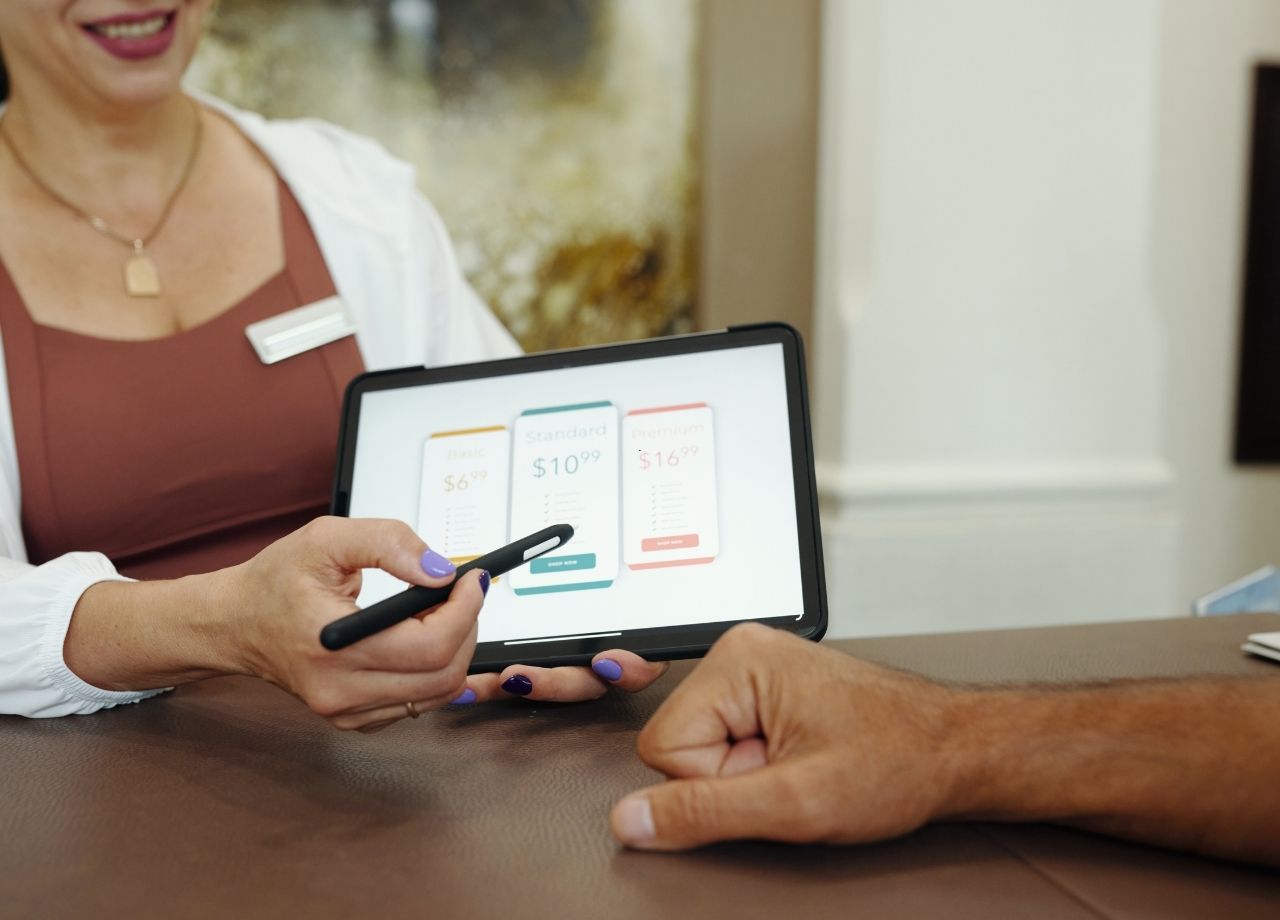
Valentine’s Day is an opportunity to convert transactional shoppers into ongoing advocates. Loyalty program perks and point boosters encourage customers to engage with the brand beyond the holiday, incentivizing future purchases and rewarding participation. Referral incentives amplify reach by motivating existing customers to introduce friends and family, creating new relationships built on trust and prior positive experiences. Both approaches rely on the principle that a well-timed reward system and a clear sense of value can turn one-time purchases into sustained engagement.
Loyalty program perks & points boosters
Enhancing loyalty programs with Valentine-specific rewards encourages repeat behavior. Points for purchases, bonus incentives for higher spending, and exclusive access to products or bundles signal appreciation and cultivate a sense of belonging. Customers recognize the tangible benefits of engagement, which reinforces loyalty beyond a single holiday.
Referral incentives
Referral programs leverage trust within social networks. Providing incentives for bringing friends or family into the loyalty ecosystem expands reach organically and strengthens the brand community. These programs are especially effective when paired with personalized recommendations or curated gift ideas, making it easier for advocates to share meaningful suggestions.
Post-Holiday Offers & Self-Love Campaigns
Not every campaign should end with February 14. Post-holiday initiatives, including anti-Valentine promotions and self-love campaigns, provide opportunities to engage those who may have skipped the main holiday or sought alternative celebrations. Spring-season cross-sell opportunities also capitalize on newly formed relationships, converting Valentine’s momentum into long-term engagement. Timing, messaging, and offer design remain crucial, ensuring that post-holiday outreach feels relevant rather than opportunistic.
Galentine’s Day & New Celebration Segments
Expanding focus beyond traditional couples allows brands to tap into evolving social rituals. Galentine’s Day and other friendship-oriented celebrations have gained traction, particularly among women and younger demographics. Recognizing and celebrating these segments with targeted campaigns positions the brand as inclusive, culturally aware, and attentive to broader gifting behaviors. Products, messaging, and offers should feel authentic to these audiences, emphasizing connection and appreciation rather than simply mirroring romantic tropes.
Inclusivity & Diverse Gifting Messages
Valentine’s Day has evolved from a singular focus on romance to encompass family, friends, and self-directed gifting. Campaigns that reflect this diversity resonate across demographics, making the brand feel accessible and relevant to a wider audience. Messaging should emphasize emotional connection and intentionality, highlighting the thought behind each gift rather than rigidly adhering to traditional expectations. This approach not only broadens potential revenue streams but also strengthens brand confidence among socially conscious consumers.
AI-Driven Personalization
Artificial intelligence provides unprecedented opportunities to refine Valentine’s Day engagement. Automated gift finders, recommendation engines, and dynamic personalization tools ensure that every touchpoint is relevant, timely, and tailored to individual preferences. AI can analyze browsing patterns, previous purchases, and demographic signals to deliver recommendations that feel intuitive and thoughtful. The result is a shopping experience that balances scale and intimacy, converting casual interest into meaningful action while reinforcing the brand’s role as a trusted advisor.
Offline Integration for Omnichannel Loyalty
Even in a digital-centric world, offline experiences remain a critical component of a cohesive Valentine’s strategy. Local pickup options, in-store promotions, and exclusive Valentine’s perks create tangible touchpoints that complement online activity. Direct mail campaigns with QR codes, personalized notes, or special offers bridge physical and digital channels, enhancing convenience while deepening engagement. Omnichannel strategies provide both accessibility and brand immersion, ensuring that customer interactions are consistent, convenient, and memorable across touchpoints.
Action Plan
Executing a Valentine’s Day campaign requires coordination, foresight, and flexibility. A structured checklist, broken down by week, ensures that all strategic, tactical, and operational elements are addressed in sequence. KPIs, from engagement metrics to conversion rates and average order value, provide measurable benchmarks to track success. Post-campaign review allows insights to be captured, informing future seasonal initiatives and refining approaches to personalization, timing, and customer segmentation. By aligning planning, execution, and evaluation, brands can maximize revenue, strengthen loyalty, and set the stage for meaningful, ongoing customer relationships.