
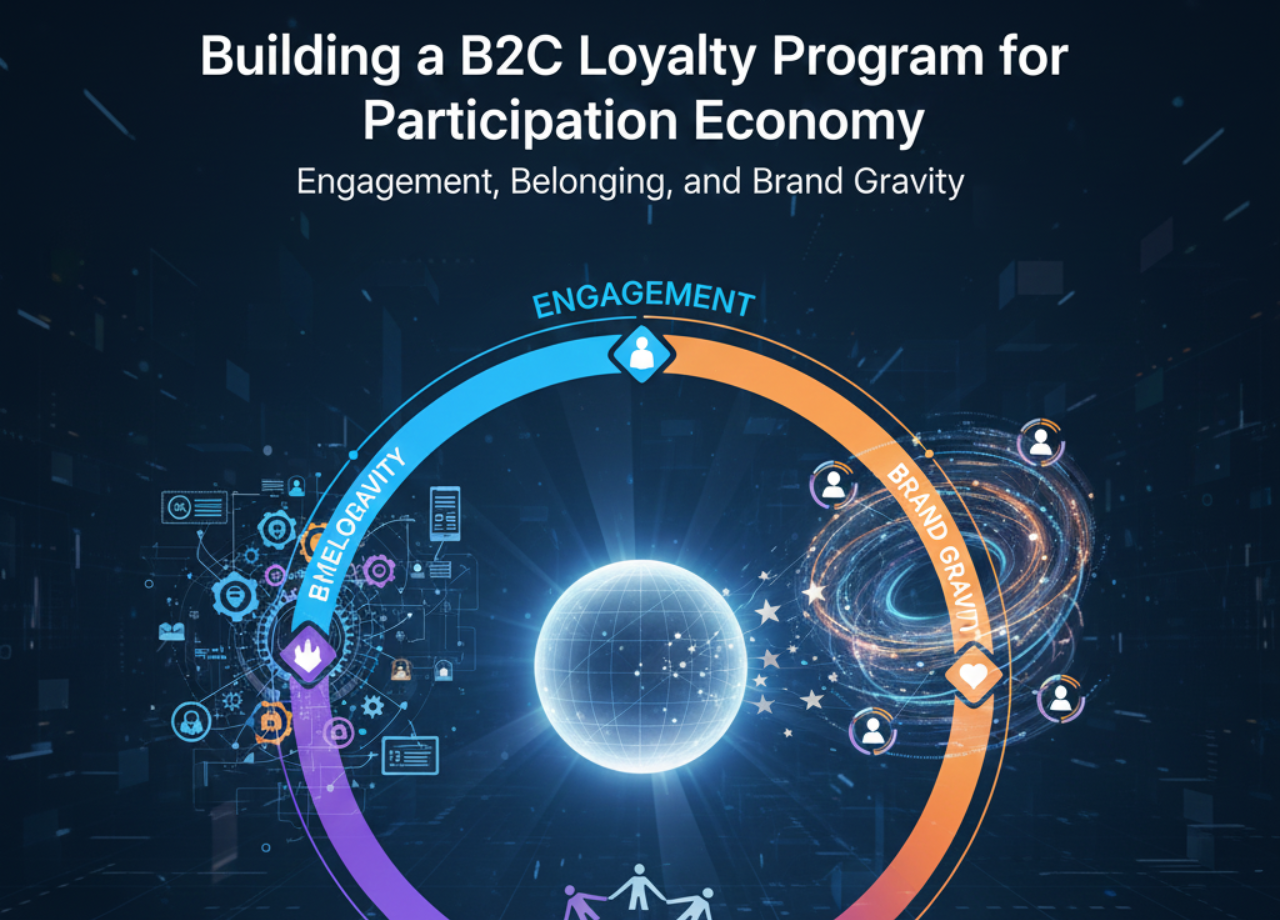
The shift toward a participation-driven marketplace has pushed brands to rethink how they design, measure, and sustain loyalty. Customers no longer respond to transactional rewards alone. They gravitate toward brands that invite them into something larger, something that reflects their identity and values. Loyalty now forms through involvement, recognition, and shared meaning, not through points accumulation in isolation. Brands that succeed in this environment create systems where customers feel a sense of belonging and experience a pull that grows stronger over time.
This shift is not hypothetical. Customer research from the past two years shows a pattern: individuals who engage with a brand through multiple touchpoints spend more and remain longer than those who engage in limited ways. These touchpoints might include community events, creator-style content participation, early product access programs, or digital interactions that reward presence as much as purchase. A participation approach signals that a brand sees customers as contributors, not passive recipients of promotions.
The Participation Economy and Its Pressure on Loyalty Models
Traditional loyalty programs were built for repeat purchase cycles. They rewarded frequency and spend, usually through a tier or points system. That model still has value, but consumer behavior has changed. Retail, food service, hospitality, fitness, entertainment, and beauty all report the same trend: customers hop between brands more easily than before, often driven by real-time relevance, social proof, and alignment with their personal identity.
The participation economy responds to this pattern by creating value around involvement. A person’s contribution becomes part of the experience, and brands reward not only transactions but expression, feedback, presence, referrals, content creation, and community. This creates an identity loop. The more someone participates, the more connected they feel, and the more connected they feel, the more they return.
A loyalty strategy built for this environment needs to meet three expectations:
- People want to be seen, not just counted.
Recognition, personalization, and cultural fluency matter more than ever. - People want to participate in shaping the brand.
This includes creative challenges, product voting, personalization tools, and avenues to share their voice. - People want loyalty to feel meaningful.
Transactional rewards compete with dozens of other programs. Emotional and social rewards stand out.
Brands that internalize these expectations can design loyalty programs that act more like participation ecosystems than rebate systems.
Engagement as Fuel for Loyalty
Many marketers still track loyalty performance almost entirely through purchased-based KPIs. These metrics are important, but they overlook a set of behaviors that signal future value earlier and more accurately. Participation behaviors are forward indicators. They reveal not only interest but intent.
Modern loyalty programs treat these behaviors as currency. Examples include:
- Interacting with content or challenges
- Sharing personal preferences
- Submitting feedback or product ratings
- Joining community groups or digital meetups
- Referring friends
- Checking in at physical locations
- Voting in product decisions
- Attending brand-hosted events
- Completing micro-actions tied to sustainability or social impact
Each of these behaviors deepens involvement. They shape how a person thinks about the brand and how the brand’s presence fits into their life. Programs built for engagement assign value to these contributions and celebrate them in ways that feel relevant to the audience.
A platform like Rediem makes it easier to bring this approach to life since brands can reward engagement across many channels and fold these actions into a unified member profile, all without overhauling existing systems.
The point is not to create noise. The point is to create a rhythm that encourages regular participation and makes customers feel like they are building something with you.
Belonging as a Strategic Asset
Many brands talk about community, but surprisingly few build structures that allow customers to connect with one another. Belonging does not emerge from content alone. It comes from giving customers roles, recognition, and rituals that matter.
A participation-based loyalty program can support belonging in several ways.
Rituals that People Anticipate
Product drops, seasonal challenges, member-only missions, creator partnerships, anniversary badges, and digital collectibles are all signals that a brand has a recurring beat. Humans anchor to patterns. When a brand creates these patterns, people feel part of something that moves forward and that they can influence.
Member Identity Markers
Badges, tiers, titles, access passes, or contribution labels help members express who they are within the ecosystem. These cues strengthen identity through both visibility and achievement. They also introduce motivation loops that encourage voluntary participation.
Shared Language and Story
Brands with strong communities often create language that feels unique. It might be names for insiders, naming conventions for events, or recurring themes that help people feel like they’re stepping into a familiar environment. This strengthens belonging through shared meaning, which makes switching costs emotional, not just transactional.
Opportunities to Contribute
People attach more deeply when they feel they have a stake. Giving them ways to co-create, vote, support other members, or contribute content builds an environment powered by members rather than marketing alone. This not only fosters belonging, it also reduces acquisition costs since members effectively extend your reach.
.jpg)
Brand Gravity and the Pull of Participation
Brand gravity refers to the natural pull customers feel when a brand provides value beyond products. This pull is not created through discounts or promos but through meaning, involvement, and identity. Gravity grows stronger when customers see the brand not as a vendor but as a place where they participate.
Three forces create brand gravity inside a loyalty program:
Cultural Resonance
Brands that respond to culture in real time, adapt to member sentiment, and bring members into conversations create a sense of relevance. This matters because customers expect brands to act like participants in their world, not broadcasters. Loyalty programs can support this through rapid challenges tied to cultural moments, co-created social content, or surprise unlocks linked to events customers are already talking about.
Emotional Value
Rewards that reflect care, recognition, or personal meaning carry more weight than generic discounts. A birthday experience, early access tailored to personal tastes, a thank you message from a community manager, or exclusive content shaped from member input demonstrates emotional awareness. These moments strengthen gravity because they acknowledge the person, not just their wallet.
Continuity
Gravity emerges through repetition. Brands that maintain a cadence of meaningful interactions build familiarity and expectation. This does not mean constant messaging. It means reliable invitations to participate. Over time, these invitations form a story that customers feel part of, and they return because they know something is happening that includes them.
Designing the Modern B2C Loyalty Program
Building a program for the participation economy requires a different mindset than building a traditional points-based system. Here are key considerations that marketers can use to guide strategy:
1. Reward Contribution, not just Consumption
A loyalty program should recognize all behaviors that indicate connection. This widens the pool of engaged members and signals that the brand values presence and involvement.
2. Make Membership feel like an Identity, not a Transaction
Titles, milestones, achievement paths, or community roles create an identity structure that customers can step into. People return to identities they are proud of.
3. Reduce Friction and Increase Cross-Channel Participation
Customers move between physical stores, apps, websites, and social channels with ease. Programs that recognize actions across channels feel responsive and modern. Complexity should be invisible.
4. Build Rituals that Members know to Expect
Monthly challenges, recurring rewards, seasonal community events, or a cycle of drops give customers something to anticipate. These rhythms keep the program alive.
5. Focus on Relevance over Volume
A strategic loyalty program tailors interactions to preferences and timing. Overcommunication weakens gravity, while timely participation prompts strengthen it.
6. Elevate Emotional and Social Rewards
Recognition carries as much value as discounts. A program that reflects customer identity and contribution stands out in a crowded marketplace.
7. Keep the System Flexible
Consumer interests shift quickly. A loyalty program should allow for rapid updates to challenges, rewards, and communication. Rigidity reduces participation and limits cultural responsiveness.
Why Participation-Based Loyalty Wins Long Term
A loyalty strategy built around participation does more than reward purchases. It creates a living ecosystem that grows stronger with each interaction and each member contribution. Over time, the program stops acting like an incentive mechanism and starts acting like a community engine. This is where retention strengthens, member lifetime value increases, and brand gravity becomes a competitive advantage that is difficult to copy.
Customers today expect more than transactional value. They expect brands to offer belonging, tools for expression, ways to contribute, and acknowledgment of their individuality. A loyalty program designed for participation does not add these elements as decoration. It treats them as the foundation for long-term relationships.
Brands that start building now place themselves in a stronger position to attract customers who are loyal not because of the discount they might receive, but because of the connection they feel and the role they get to play.