
.png)
Loyalty in fashion is often misunderstood because it looks deceptively simple from the outside. Points, discounts, early access, maybe a VIP tier or two. Yet the brands that win long term understand something subtler. Fashion loyalty is not primarily a mechanic, it is a system for shaping behavior, emotion, and identity over time. When done well, it turns sporadic shoppers into repeat buyers and repeat buyers into advocates who feel seen by the brand they choose to wear.
A fashion loyalty strategy sits at the intersection of commercial performance and cultural relevance. Unlike many other retail categories, fashion is driven by taste, timing, and self expression. Loyalty therefore has to operate on more than rational incentives alone. It must reinforce why a customer chooses this brand, this aesthetic, this community, again and again. That distinction is what separates high performing loyalty programs from those that quietly fade into irrelevance.
Definition & How It Differs from Traditional Retail Loyalty
At its core, a fashion loyalty strategy is a structured approach to rewarding ongoing engagement in ways that strengthen both purchasing frequency and emotional connection. What makes it different from traditional retail loyalty is not the presence of rewards, but the context in which those rewards operate. In grocery or convenience retail, loyalty often optimizes for frequency and basket size. In fashion, purchase cycles are longer, demand is more seasonal, and emotional drivers play a far greater role.
Fashion loyalty must account for trends, collections, drops, and personal style evolution. A customer may love a brand deeply and still only purchase a few times per year. That does not indicate weak loyalty. It reflects category reality. Effective programs therefore reward more than transactions alone. They recognize engagement, advocacy, content interaction, and community participation as meaningful signals of brand attachment.
Loyalty vs Membership vs Subscription
One of the most persistent sources of confusion in fashion is the interchangeable use of loyalty, membership, and subscription. While they can overlap, they serve different strategic purposes. Loyalty is fundamentally earned. It responds to behavior over time and evolves as the customer relationship deepens. Membership is often permission based, sometimes gated, and can exist without ongoing behavioral reinforcement. Subscription is transactional by design, trading predictable revenue for predictable value delivery.
In fashion, loyalty programs typically sit above membership and subscription models rather than replacing them. A customer may subscribe to receive curated boxes or exclusive drops, yet still participate in a broader loyalty ecosystem that rewards advocacy, engagement, or long term spend. Similarly, a membership program might grant access to private sales or content, while loyalty determines how status, rewards, and recognition accumulate over time.
The strategic risk arises when brands collapse these concepts into one indistinct offering. When loyalty becomes a static entitlement rather than a dynamic relationship, engagement stalls. Customers stop paying attention because there is nothing left to progress toward. Clear differentiation between loyalty, membership, and subscription allows brands to design each layer with intent, rather than forcing one mechanism to do the work of three.
Key Loyalty Metrics Brands Must Track
Fashion loyalty cannot be managed by enrollment numbers alone. High performing programs are measured through a set of metrics that reflect both commercial impact and relationship health. Retention rate remains foundational, but in fashion it must be interpreted alongside purchase cadence, seasonal reactivation, and category expansion. A loyal customer who returns every collection cycle behaves differently from one who buys frequently within a single season and then disappears.
Customer lifetime value is another critical metric, but it becomes meaningful only when segmented by loyalty participation. Comparing members to non members reveals whether the program is driving incremental value or merely rewarding existing behavior. Engagement metrics also matter more in fashion than in many categories. Email interaction, app usage, event participation, and social sharing often precede purchases by weeks or months.
The academic evidence supports this broader measurement lens. The same 2025 review highlighted that emotional connection and perceived recognition are key mediators between loyalty program participation and repeat purchase behavior. In other words, what the customer experiences inside the program matters as much as what they earn from it. Brands that track only redemptions miss early warning signs of disengagement and overlook opportunities to strengthen loyalty before revenue declines.
Why Loyalty Matters for Fashion Brands
Fashion brands face a paradox. Choice has never been greater, yet attention has never been more fragile. In this environment, loyalty is not a nice to have, it is a stabilizing force. Data from 2024 shows that 54 percent of consumers report loyalty to clothing and fashion brands, up from 48 percent the year prior. The increase is not accidental. It reflects a growing expectation that brands will reward commitment in meaningful ways.
Loyalty matters because it compounds. Each retained customer reduces acquisition pressure, improves forecasting accuracy, and creates a base of demand that is less sensitive to short term promotions. In fashion, where margins are often strained by returns, logistics, and markdown cycles, that stability is invaluable.
Business Value, Repeat Purchases and CLV Growth
Repeat purchases are the most visible outcome of loyalty, but they are not the most important. The real value lies in predictability. Loyal customers are more likely to return for new collections, try adjacent categories, and remain engaged during off peak periods. Over time, this behavior drives disproportionate lifetime value relative to acquisition cost.
Loyalty programs create structure around this behavior. They provide reasons to return that extend beyond the product itself, especially in categories where novelty is constant. When customers know that each interaction moves them closer to recognition or status, they are more likely to consolidate spend rather than spread it across competing brands.
Brand Differentiation in a Saturated Market
Most fashion brands are not competing on product quality alone. They are competing on narrative, identity, and belonging. Loyalty programs can reinforce all three when designed thoughtfully. A well articulated loyalty strategy communicates what the brand values and who it is built for. It signals whether exclusivity, creativity, sustainability, or community sits at the core of the brand promise.
In saturated markets, this differentiation becomes decisive. When products feel interchangeable, relationships do not. Loyalty provides a framework for expressing brand personality at scale, turning abstract positioning into tangible experiences that customers can feel and remember.
Reducing Discount Dependence and Margin Protection
Perhaps the most underappreciated role of loyalty in fashion is its ability to reduce reliance on blanket discounting. Without loyalty infrastructure, brands often default to promotions as their primary lever for driving demand. This trains customers to wait, compresses margins, and weakens perceived value.
Loyalty allows brands to be selective. Rewards can be targeted, time bound, or experiential rather than purely financial. Over time, this shifts behavior away from price sensitivity toward relationship value. Brands that measure and optimize this effect gain not only higher margins, but greater control over how and when incentives are deployed.
Unique Customer Behavior in Fashion Loyalty
Fashion loyalty operates on a different psychological plane than many other retail categories. Purchases are tied to identity, aspiration, and self image. This makes loyalty more fragile, but also more powerful when nurtured correctly.
Trend Driven Purchase Psychology
Fashion customers move in cycles. They are influenced by seasons, trends, social signals, and personal milestones. Loyalty strategies must accommodate this rhythm rather than fight it. A customer who pauses spending is not necessarily disengaged. They may simply be between moments of relevance.
Effective programs recognize these patterns and maintain connection during lulls. Content, previews, and recognition keep the relationship warm until the next purchase trigger emerges. This long view is essential in fashion, where forcing frequency often backfires.
Emotional vs Transactional Loyalty
Transactional loyalty is easy to buy and easy to lose. Emotional loyalty is harder to earn, but far more resilient. In fashion, emotional loyalty stems from feeling understood. When a brand consistently reflects a customer’s taste, values, and lifestyle, rewards become reinforcement rather than the primary motivation.
Programs that rely solely on points risk commoditizing the relationship. Those that combine recognition, storytelling, and relevance create bonds that persist even when competitors offer better deals.
Social Identity, Style Communities and Word of Mouth
Fashion is inherently social. People wear brands as signals, not just garments. Loyalty programs that tap into this dynamic unlock exponential value. Community recognition, shared experiences, and opportunities to influence the brand transform customers into participants rather than passive buyers.
Word of mouth in fashion is rarely about discounts. It is about discovery and belonging. Loyalty strategies that enable this social transmission amplify their impact far beyond the individual member, turning loyalty into a growth engine rather than a cost center.
Core Fashion Loyalty Program Models
Fashion loyalty does not succeed because a brand chose the right mechanic. It succeeds because the mechanic aligns with how customers actually behave and what the brand is trying to reinforce. Different program models exist not as trends to copy, but as strategic tools that solve different problems. The mistake many brands make is selecting a model based on competitor benchmarks rather than customer reality.
In practice, most successful fashion programs blend multiple models. The dominant structure sets the tone, while secondary layers support progression, engagement, and differentiation. Understanding the strengths and limitations of each model is essential before building anything that touches customers.
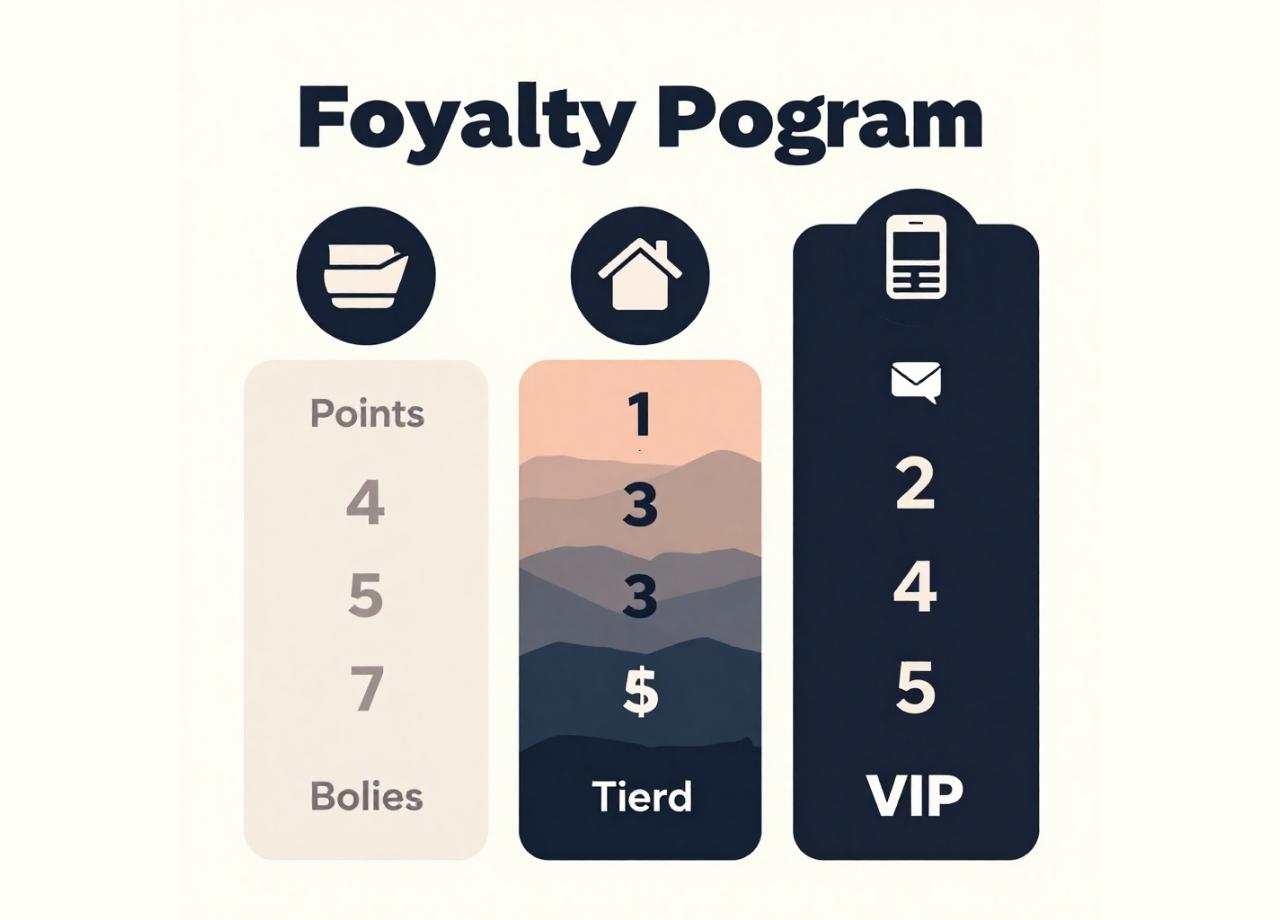
Points-Based Loyalty Programs
Points-based programs remain the most familiar format in fashion because they are easy to understand and easy to join. Customers earn points for purchases and sometimes for engagement actions, then redeem those points for rewards. This clarity lowers friction at enrollment and helps programs scale quickly across channels and customer segments.
Their limitation is sameness. In fashion, where purchase cycles are uneven and emotional drivers matter, points alone rarely sustain engagement. Strong programs focus less on accumulation speed and more on perceived progress, reinforcing momentum through visible milestones, timely reminders, and rewards tied to current collections rather than abstract future value.
Tiered VIP and Status Programs
Tiered loyalty introduces aspiration, a powerful force in fashion. Status mirrors how customers already think about brands, exclusivity, recognition, and belonging. Well-designed tiers encourage spend consolidation by giving customers a reason to choose the same brand repeatedly as they work toward higher recognition.
The effectiveness of tiers depends on calibration. Thresholds must feel challenging but attainable, and benefits must clearly differentiate each level. Programs perform best when status reflects more than spend alone, incorporating longevity, engagement, or advocacy to reward commitment in multiple forms.
Paid Premium Memberships
Paid memberships signal confidence and clarity of value. When customers pay to participate, expectations rise immediately. The benefits must be tangible, immediate, and consistently delivered, whether through exclusive pricing, guaranteed perks, or priority access to products and experiences.
This model works best for brands with strong identity and operational discipline. Paid membership should complement, not replace, free loyalty layers, offering a deeper relationship for the most committed customers without turning loyalty into a barrier for broader participation.
Experiential and Lifestyle-Driven Loyalty
Experiential loyalty shifts the focus from saving money to gaining access. Events, styling sessions, behind-the-scenes content, or cultural collaborations create emotional memory rather than transactional reinforcement. In fashion, this distinction matters because identity and aspiration drive attachment more than discounts.
These experiences do not need to scale universally to create impact. Their value lies in signaling what loyalty represents within the brand world. Even limited-access experiences elevate perception and reinforce the brand’s cultural relevance.
Community and Co-Creation Programs
Community-based loyalty invites customers to participate rather than simply earn. Feedback loops, content creation, and product influence turn loyalty into a shared process. The reward is recognition and agency, not just benefits.
This model creates deep emotional ownership but requires openness. Brands must be willing to listen and act. When they do, loyalty evolves from a program into a relationship that competitors find difficult to displace.
Essential Loyalty Program Features
Features do not make a loyalty program successful on their own. What matters is how they work together to reduce friction, increase relevance, and reinforce desired behaviors. Customers compare loyalty experiences across categories, not just within fashion. Expectations are shaped by the best experiences they have anywhere.
Research consistently shows that financial rewards, simplicity, and ease of use remain critical. At the same time, personalization continues to lag behind expectations. This gap is where modern fashion loyalty programs can differentiate, not by adding complexity, but by making relevance feel effortless.
Reward Types, Discounts, Credits and Experiences
Discounts remain powerful, but they should not be the default. Overreliance on price-based rewards trains customers to value savings over brand. Credits, exclusive products, and experiences often deliver higher perceived value at lower cost.
The key is optionality. Different customers value different rewards depending on their relationship stage. New members may respond to immediate savings, while long term loyalists often prefer access or recognition. A flexible reward catalog allows the program to evolve with the customer.
Gamification and Challenges
Gamification adds momentum to loyalty. Challenges, milestones, and streaks create short term goals that sustain engagement between purchases. In fashion, this is particularly important during off seasons or between collections.
The best gamification feels natural, not gimmicky. It aligns with brand tone and customer behavior. When done well, it transforms passive earning into active participation, making loyalty something customers check rather than forget.
Mobile Wallet and Digital Passes
Visibility drives usage. Mobile wallets and digital passes ensure that loyalty lives where customers already spend their time. They reduce friction at checkout and enable real time updates, reminders, and location-based engagement.
For fashion brands with physical retail presence, digital passes bridge the gap between online identity and in-store recognition. They make loyalty tangible without requiring customers to remember logins or carry cards.
Omnichannel Integration, In-Store and Online
Fashion customers do not distinguish between channels, even when brands do. Loyalty must function seamlessly across eCommerce and retail. Points earned online should be visible in store. Status should be recognized everywhere.
Omnichannel integration also enables richer data capture. When interactions are unified, brands gain a clearer picture of how customers move between touchpoints. This insight fuels better personalization and more relevant rewards.
Receipt Scan and Data Capture Tools
Not every purchase happens in a controlled environment. Receipt scanning allows brands to recognize spend that occurs outside direct channels, such as department stores or pop-ups. This expands the loyalty ecosystem and acknowledges the full customer relationship.
Data capture tools also support zero-party data collection when designed transparently. Customers are often willing to share preferences when they understand how it improves their experience.
Designing Your Fashion Loyalty Blueprint
Enrollment does not equal engagement. In 2024, U.S. consumers were enrolled in an average of 19 loyalty programs but actively used fewer than half. This gap highlights a fundamental truth. Loyalty must be designed for activation, not just acquisition.

Mapping Customer Journeys and Touchpoints
Every loyalty blueprint should begin with the customer journey. Understanding where loyalty can add value requires mapping touchpoints across discovery, purchase, post-purchase, and re-engagement. Each moment represents an opportunity to reinforce the relationship.
Effective programs integrate loyalty naturally into these moments rather than interrupting them. When loyalty feels like a helpful layer rather than an extra step, participation increases.
Earning and Redemption Rules That Drive Behavior
Rules shape behavior. Earning mechanics should encourage actions the brand values, whether that is full-price purchases, category exploration, or advocacy. Redemption rules should feel fair and attainable.
Overly restrictive redemption creates frustration. Overly generous redemption erodes margins. The balance lies in clarity and perceived value. Customers should always understand how close they are to something worthwhile.
Creating VIP and Tier Thresholds That Work
Tier thresholds must reflect realistic customer behavior. Data should guide where lines are drawn, not aspiration alone. When too few customers progress, motivation drops. When too many reach the top, exclusivity disappears.
Successful tier structures feel challenging but achievable. They reward consistency rather than sporadic spikes in spend.
Reward Valuation and Budget Modeling
Loyalty is an investment, not a giveaway. Every reward has a cost, both direct and opportunity-based. Budget modeling ensures that rewards drive incremental behavior rather than subsidizing existing demand.
Valuation should account for perceived value, not just financial cost. Experiences often outperform discounts because they feel unique and personal, even when their cost is comparable or lower.
Personalization and Data Strategy
Personalization is no longer a competitive advantage in fashion loyalty. It is an expectation shaped by customers’ best experiences across categories. When loyalty interactions feel generic, the disappointment is sharper because the brand already has the data and chose not to use it.
A modern loyalty strategy treats data as a creative input, not just an analytical one. Every interaction refines understanding and enables relevance. This is where loyalty shifts from reward fulfillment to relationship intelligence.
Collecting and Activating Zero, First, and Third-Party Data
Zero-party data carries particular weight in fashion because it reflects how customers see themselves, not just how they behave. Preferences around style, fit, and intent provide clarity that transactional data alone cannot. When collected transparently and reflected back through relevant rewards or content, this data strengthens trust rather than raising concern.
First-party data adds behavioral context, while third-party data can enrich understanding when used carefully. The advantage comes from orchestration. Data must move quickly into loyalty logic so customers experience relevance in near real time, reinforcing the value of sharing information.
Personalization at Scale, AI and Predictive Loyalty
AI enables loyalty programs to anticipate needs rather than react to history. Predictive models help determine not only what to offer, but when to offer it. In fashion, where timing often matters more than magnitude, this precision improves both engagement and perception.
The goal is not hyper personalization for its own sake. It is relevance that feels intuitive. When loyalty interactions arrive at the right moment and align with upcoming needs, they feel like service rather than marketing.
Segment-Based Reward Deliveries
Segmentation remains essential even in highly personalized environments. Different customer groups respond to different incentives depending on relationship stage, value potential, and engagement patterns. Segment-based delivery ensures loyalty investment aligns with opportunity rather than being distributed evenly and inefficiently.
These segments must remain fluid. As customers evolve, their rewards and recognition should evolve with them. Static segmentation quickly loses relevance in a category defined by constant change.
Omnichannel Loyalty Execution
Fashion loyalty lives across environments. Inspiration may begin on social platforms, conversion may happen online, and fulfillment or exchange may occur in store. Customers experience this journey as continuous. Loyalty must do the same.
True omnichannel execution requires more than technical integration. It demands organizational alignment around the customer rather than the channel.
eCommerce and Retail Store Integration
When loyalty behaves differently online and in store, credibility suffers. Customers expect points, status, and recognition to follow them seamlessly. This requires unified identity resolution and real time data synchronization.
In-store experiences become significantly more powerful when loyalty is present. Associates can recognize status, recommend relevant products, and reinforce progression. This transforms physical retail from a transactional endpoint into a relationship moment.
Brands that invest here often see loyalty outperform expectations because the emotional impact of recognition is strongest in person.
App and Mobile Experience Optimization
Mobile is where loyalty becomes habitual. Apps and mobile experiences provide the most direct line to customers, enabling real time updates, personalized content, and contextual rewards. Poor mobile experiences, on the other hand, quickly erode engagement.
Optimization is not about feature density. It is about clarity and speed. Customers should be able to check status, view rewards, and understand progress in seconds. When loyalty feels effortless on mobile, usage increases naturally.
Mobile also supports experimentation. Brands can test new mechanics, content formats, and reward structures with minimal friction, learning quickly what resonates.
Social Commerce and Liveshopping Loyalty Hooks
Social commerce blurs the line between content and conversion. Loyalty programs that integrate into this environment unlock new engagement loops. Rewarding participation in live events, content interaction, or creator collaborations reinforces loyalty beyond checkout.
Liveshopping, in particular, creates moments of shared experience. When loyalty rewards presence, not just purchase, brands deepen emotional connection while gathering rich engagement data.
These environments reward agility. Loyalty mechanics must be flexible enough to activate around cultural moments, not just planned campaigns.
Partner and Ecosystem Loyalty Extensions
No fashion brand exists in isolation. Customers live multi brand lives, and loyalty strategies that acknowledge this reality gain relevance. Ecosystem extensions allow brands to expand value without bearing the full cost alone.
Partnerships also signal worldview. They communicate what the brand aligns with and who it stands alongside.
Brand and Lifestyle Partner Rewards
Lifestyle partnerships extend loyalty into daily life. Rewards that connect fashion with travel, wellness, or culture increase perceived value and broaden appeal. They also introduce brands to adjacent audiences through shared customers.
Successful partnerships feel coherent. They reinforce brand identity rather than dilute it. When partnerships feel opportunistic, customers disengage quickly.
Sustainability and Cause-Driven Rewards
Sustainability is no longer a positioning choice. It is an expectation. Loyalty programs provide a practical framework for translating values into action. Rewards tied to sustainable behavior, donations, or impact milestones allow customers to participate in progress.
Cause-driven rewards work best when they are specific and transparent. Vague promises undermine trust. Clear outcomes strengthen emotional loyalty and differentiate the brand in meaningful ways.
Loyalty in Circular Fashion, Resale and Recycling Incentives
Circular fashion introduces new loyalty opportunities. Trade-in programs, resale participation, and recycling incentives keep customers engaged beyond initial purchase. They also support sustainability goals while creating new data touchpoints.
Loyalty programs that reward circular behavior reinforce long term relationships. They position the brand as a partner over time, not just a seller at a moment.
Circular loyalty also aligns naturally with younger consumers, who increasingly value impact alongside aesthetics.
Loyalty Program Technology Stack
Loyalty strategy lives or dies on infrastructure. Even the most elegant program design collapses if the technology underneath cannot support it. Fashion brands often underestimate this layer, treating loyalty as a feature rather than a system that must integrate cleanly with commerce, data, and analytics.
The right stack does more than execute rules. It enables speed, experimentation, and confidence. When technology becomes a constraint, loyalty stagnates. When it becomes an enabler, loyalty evolves alongside the brand.
Choice of Platform vs Build vs Hybrid
There is no universal right answer when it comes to buying, building, or blending loyalty technology. Off-the-shelf platforms offer speed and proven functionality, which can be invaluable for brands moving quickly or testing new markets. Custom builds offer flexibility and ownership, but demand internal resources and long-term maintenance.
Hybrid approaches have become increasingly common. Brands use a core loyalty engine while layering custom logic or experiences on top. This balances stability with differentiation. The decision should be driven by how central loyalty is to the brand’s strategy. The more loyalty influences pricing, personalization, and experience, the more control becomes valuable.
The mistake is choosing based solely on cost. The true cost of a loyalty platform is measured in opportunity lost when ideas cannot be executed fast enough.
CRM, POS, CDP and Loyalty Integration
Loyalty cannot operate in isolation. It must connect to customer relationship management systems, point-of-sale infrastructure, and customer data platforms. Without this integration, brands are left with fragmented views of their customers and inconsistent experiences across touchpoints.
In fashion, integration complexity increases with omnichannel operations. A customer’s identity must persist across devices, locations, and time. When loyalty data flows seamlessly into CRM and CDP environments, it becomes actionable beyond rewards, informing merchandising, marketing, and service decisions.
Integration also supports consistency. Status recognition, reward eligibility, and personalization logic should never depend on where the customer happens to engage.
Loyalty Analytics and Attribution Dashboards
Measurement is where many loyalty programs lose credibility internally. Without clear attribution, loyalty is seen as a cost center rather than a growth driver. Robust analytics shift that perception.
Effective dashboards track not only participation and redemption, but incremental behavior. They compare members to non members, analyze pre and post enrollment patterns, and isolate the impact of specific mechanics. This clarity enables smarter investment and faster iteration.
Attribution in fashion is rarely linear. Loyalty analytics must account for long consideration cycles and multiple touchpoints. The goal is directional confidence, not false precision.
Fraud Prevention and Loyalty Security
Where value exists, abuse follows. Loyalty fraud erodes margins and undermines trust. Duplicate accounts, point manipulation, and unauthorized redemptions are common risks that must be addressed proactively.
Security is not just a technical concern. Clear rules, thoughtful limits, and anomaly detection all play a role. When customers trust that the program is fair, engagement increases. When abuse becomes visible, confidence erodes quickly.
Launch and Growth Tactics
A loyalty program launch is not a finish line. It is the beginning of a long relationship. How a program enters the market shapes how it is perceived and used.
Growth requires sustained activation, not just initial excitement.
Pre-Launch Buzz and Member Acquisition
Successful launches start before the first point is earned. Teasers, waitlists, and early access create anticipation and signal value. Customers should understand why the program exists and what it represents, not just what they get.
Acquisition messaging must be clear and honest. Overpromising leads to disappointment. Understating value leads to indifference. The balance lies in showing relevance rather than listing benefits.
Cross-Channel Activation Campaigns
Activation requires repetition across channels. Email alone is not enough. In-store signage, packaging inserts, app prompts, and social content must reinforce loyalty consistently.
The message should evolve. Early communications focus on education. Later campaigns highlight progress, milestones, and moments of recognition. Loyalty becomes part of the brand rhythm rather than a separate initiative.
Referral and Advocate Programs
Referrals sit at the intersection of loyalty and growth. When customers advocate for a brand, they reveal a level of trust that no incentive can manufacture. Loyalty programs can amplify this behavior by rewarding both the referrer and the referred in ways that feel aligned with the brand.
In fashion, advocacy is often aesthetic and social. Referral mechanics should integrate naturally into how customers already share, rather than forcing formal invitations that feel transactional.
Seasonal and Trend-Based Loyalty Campaigns
Fashion operates on cycles. Loyalty campaigns should follow suit. Seasonal moments, launches, and cultural events provide natural hooks for limited-time challenges and rewards.
These campaigns create urgency without permanent discounting. They also keep the program feeling alive, adapting to what customers care about right now.
Measuring Success, KPIs and ROI
Loyalty programs are judged by results, not intentions. Measurement brings discipline to creativity and ensures that investment aligns with impact.
Depending on category, loyalty programs can reduce churn by double digits and significantly increase openness to new offerings. These outcomes only matter if they are tracked consistently.
Core Loyalty KPIs to Track
Enrollment and participation are entry-level metrics. More meaningful indicators include active member rate, earn to burn ratios, and engagement frequency. These reveal whether the program is being used as intended.
In fashion, reactivation rate deserves special attention. Loyalty often proves its value when it brings customers back after long gaps.

CLV Uplift and Retention Measurement
The true test of loyalty is whether it changes the slope of customer value over time. Comparing lifetime value trajectories between members and non members provides this insight.
Retention should be measured across meaningful intervals, not just month to month. Fashion loyalty unfolds over seasons, not weeks.
Incremental Revenue Attribution
Attribution requires control groups and patience. Incremental revenue analysis isolates what would not have happened without the program. This is where loyalty earns its seat at the strategic table.
Even imperfect attribution is better than none. Directional clarity enables confident decision-making.
A/B Testing and Program Iteration
Loyalty should never be static. A/B testing allows brands to refine earn rates, messaging, rewards, and thresholds based on real behavior rather than assumptions.
Iteration signals maturity. Programs that evolve remain relevant. Programs that freeze eventually fade.
Common Challenges and How to Solve Them
Every loyalty program encounters friction. The difference between success and stagnation lies in how quickly challenges are recognized and addressed.
Discount Cannibalization
When loyalty simply replaces full-price purchases with discounted ones, it fails. Solving this requires shifting value away from blanket discounts toward differentiated rewards and recognition.
Measurement helps here. Understanding which incentives drive incremental behavior allows brands to prune what does not work.
Low Engagement and Reward Fatigue
Engagement declines when rewards feel repetitive or unattainable. Refreshing experiences, introducing new challenges, and highlighting progress can reignite interest.
Listening to customer feedback is essential. Fatigue often signals misalignment, not disinterest.
Balancing Acquisition vs Retention Spend
Loyalty budgets often compete with acquisition spend. The most effective brands view them as complementary. Retention lowers acquisition pressure over time, but only when loyalty is funded appropriately.
Clear ROI measurement helps resolve this tension.
International Loyalty and Localization
Global fashion brands face cultural and regulatory complexity. Loyalty mechanics that resonate in one market may fall flat in another. Localization is not optional.
Successful programs balance global consistency with local relevance, adapting rewards, messaging, and partnerships without fragmenting the core experience.
Future Trends in Fashion Loyalty
The future of fashion loyalty is less about mechanics and more about intelligence, immersion, and alignment with values.
AI-Powered Loyalty Automation
Automation will increasingly handle personalization, timing, and optimization. AI will allow loyalty programs to respond dynamically to individual behavior at scale.
The brands that win will use automation to feel more human, not less.
Blockchain, Tokens and Web3 Reward Mechanisms
Tokenized rewards and decentralized ownership models remain experimental, but they point toward new forms of value exchange. For fashion brands with digital products or strong communities, these mechanisms offer long-term potential.
Adoption will favor utility over novelty.
Generational Loyalty Expectations, Gen Z and Alpha
Younger consumers expect transparency, flexibility, and participation. Loyalty programs that feel extractive or rigid will struggle. Those that invite contribution and reflect shared values will thrive.
Loyalty becomes a relationship, not a contract.
Immersive Loyalty, AR, VR and Emerging Experiences
Immersive environments extend loyalty beyond screens and stores. Virtual try-ons, digital events, and hybrid experiences create new touchpoints for recognition and reward.
As fashion continues to blur physical and digital boundaries, loyalty will follow, adapting quietly, persistently, and with increasing influence over how brands grow and endure.